For a few weeks it has been mostly dry and sunny – if blowing from the SE almost consistently! Therefore there is no excuse to be working on all those jobs we need to do before the season starts at Ulva Hostel.
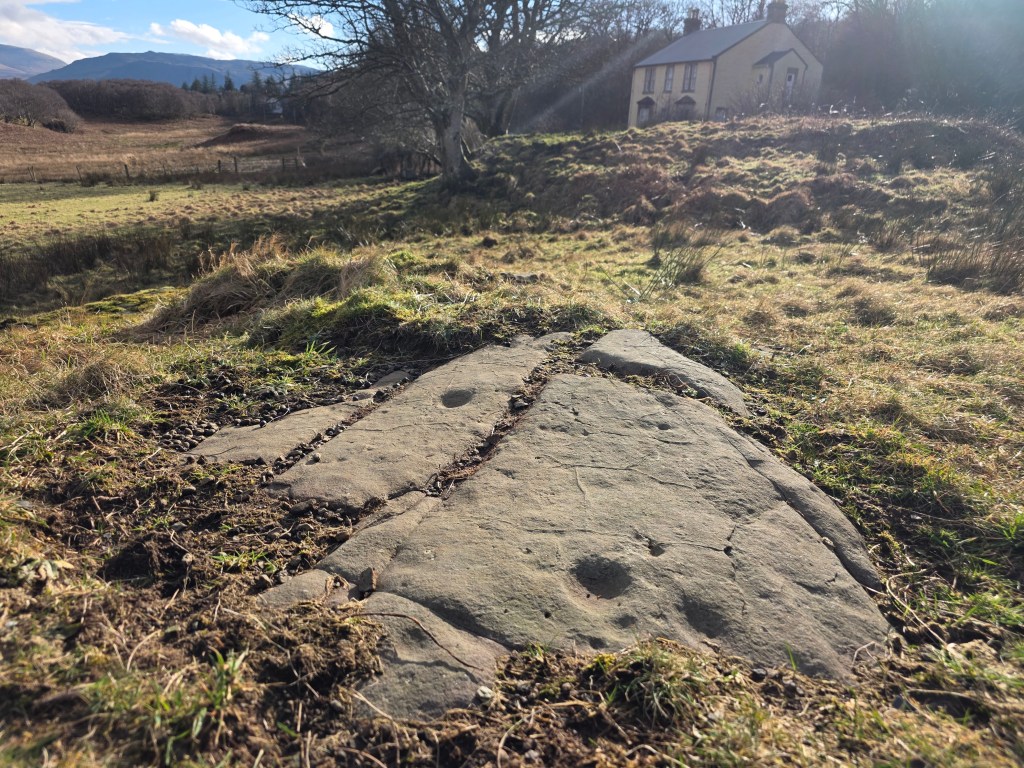
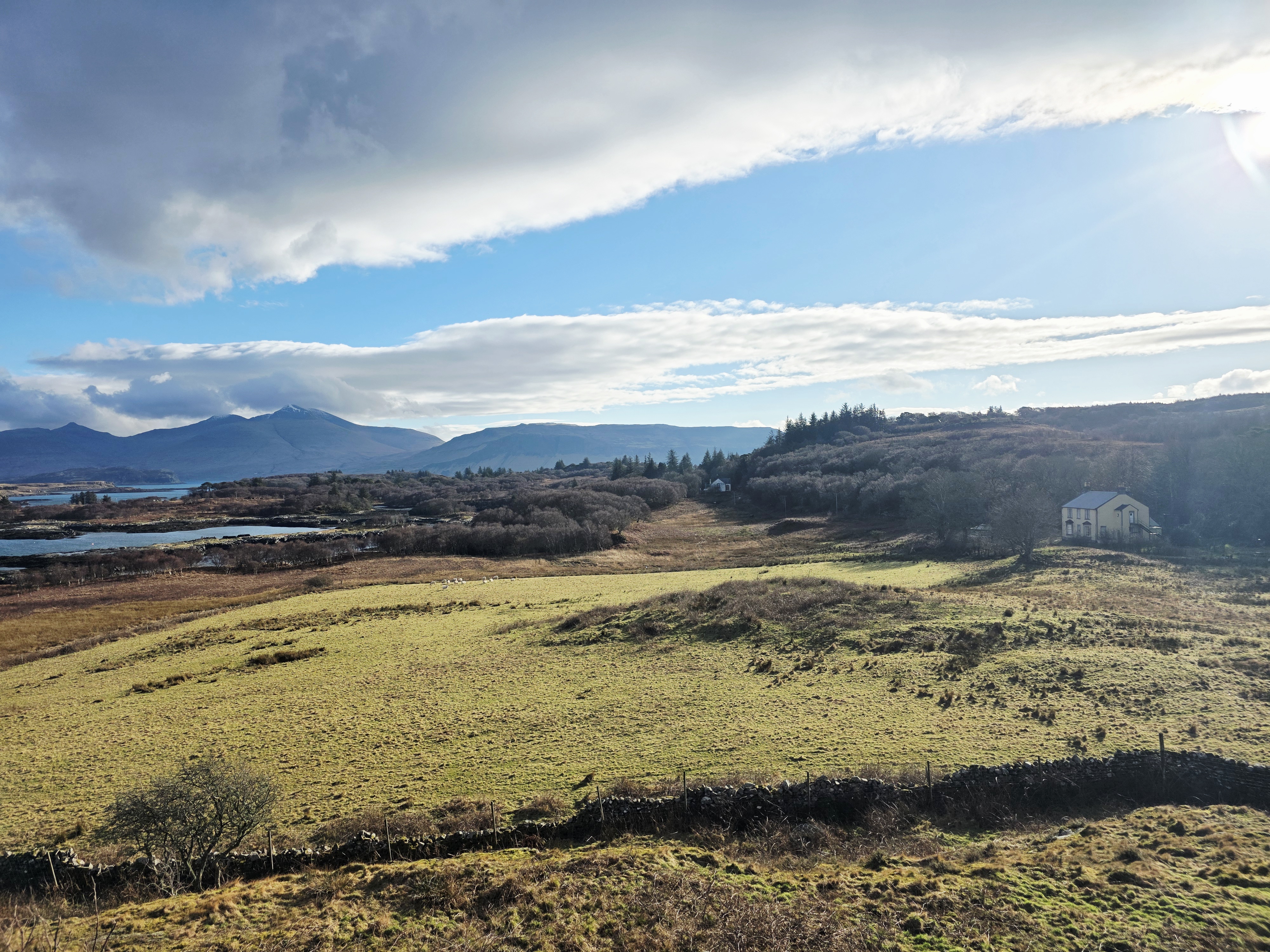
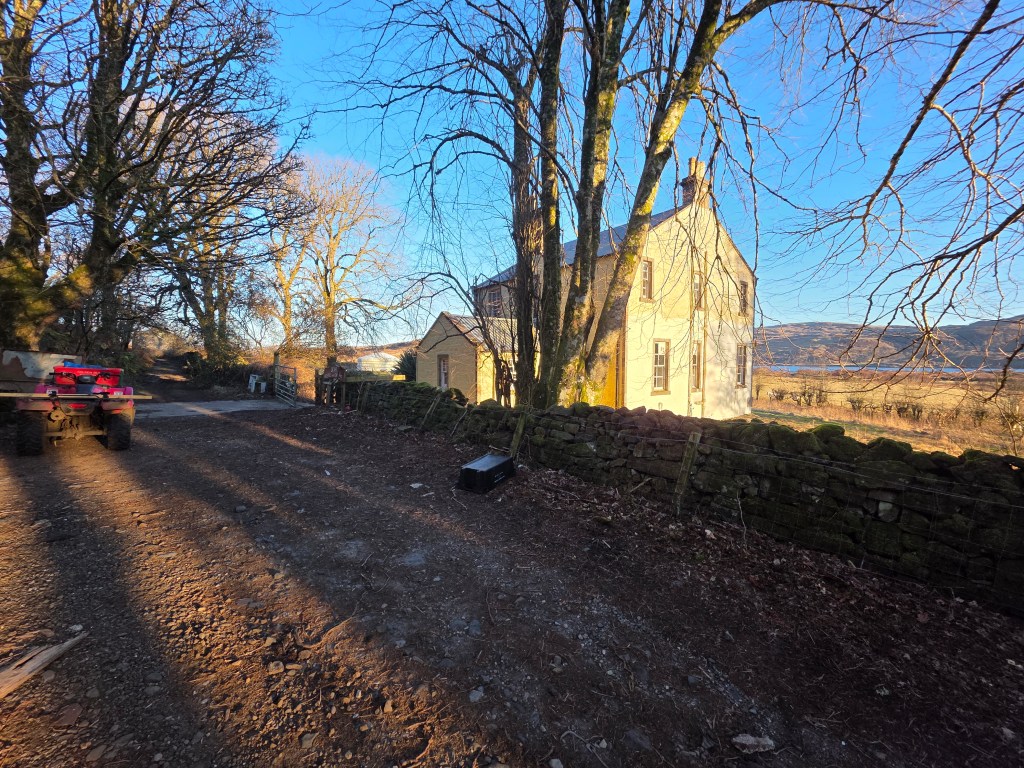
This was my excuse to be out on Ardalum Tor, just to the NW of the hostel, so I could take some images of the hostel and general area.
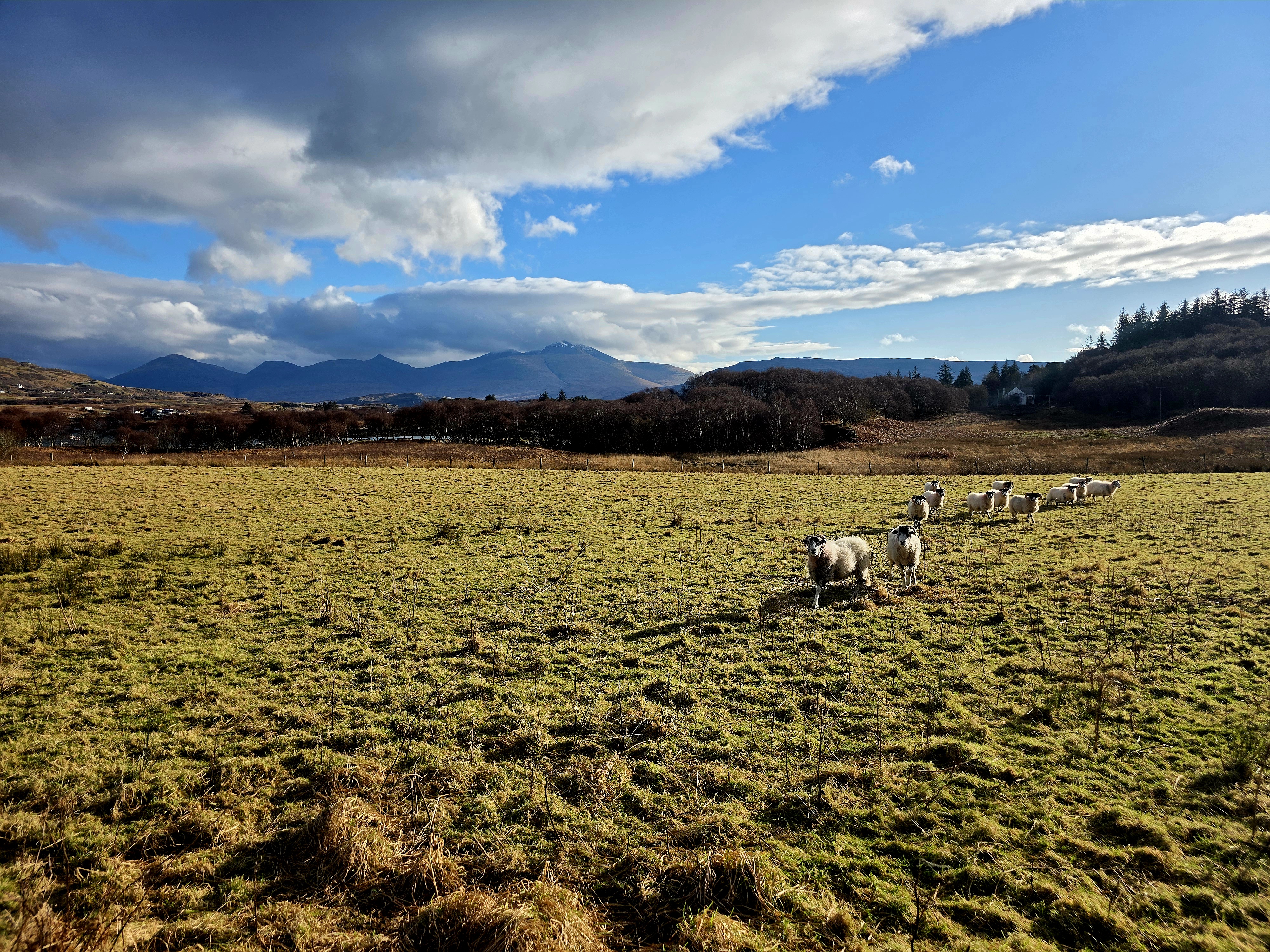
It was on my way back across the field – past the sheep who were fairly certain I was there to feed them.
…..That I stumbled across this cup-mark feature.
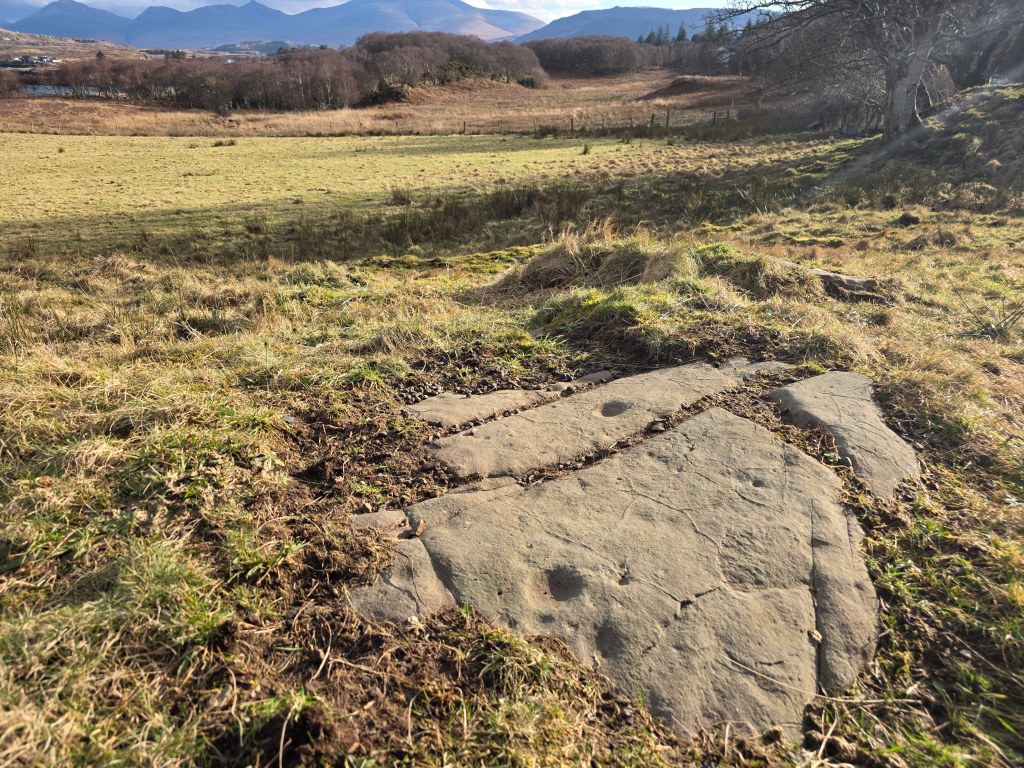
I must have walked over this ground thousands of times, but that’s the issue with archaeology, it just takes the light to shine on things a slightly different way, before you can see them.
Cup-mark decorations made by humans in prehistory – late Neolithic or early Bronze Age – are a feature of an ‘Atlantic’ Rock Art tradition that stretches not just the western seaboard of the UK, but also of Europe and possibly into the Mediterranean. It however is exceptionally displayed in Kilmartin Glen, where it is partnered with another type of rock-art tradition that is normally found in megalithic tombs, and which adds circles and spirals around the cup-marks. Which does make finding them in Kilmartin Glen, rather easier!

No one knows what cup-marks are meant to be or why humans around 4000 years ago, made them. However, one theory – that I did discuss with the above Dr Aaron Watson after a talk about the ones in Kilmartin Glen – is that they were copying the marks that they saw around them in the natural landscape. As he pointed out, they might have been just as curious about these circular marks in the natural rock, and rather than science to provide a narrative, perhaps by copying them, they were taking ‘agency’ over them.
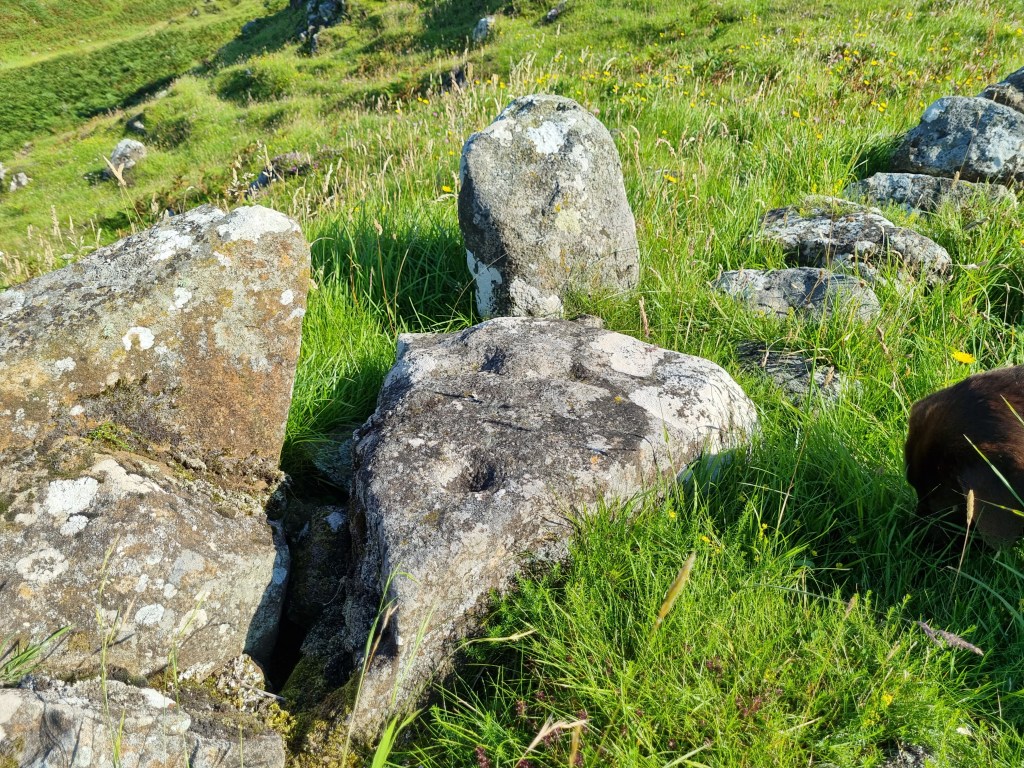
And that is the problem we might have on Mull, Ulva and Gometra. The rocks here do have a lot of natural cup-marks either from gaseous pockets in the rock, or from some forms of weathering or erosion. If people were copying those marks but without the addition of other forms of decoration that are found at Kilmartin, then proving that a few of these marks are actually made by our prehistoric ancestors, is very difficult.
All we can do is record marks that are in locations that suggest a purpose, and if we take Kilmartin as an example, cup-marks that are found on routeways or paths across the landscape, seem to be more likely made by humans, possibly marking these routes.
Now I can go back and carry on painting the hostel before someone realises I’ve been gone a wee while…..again!
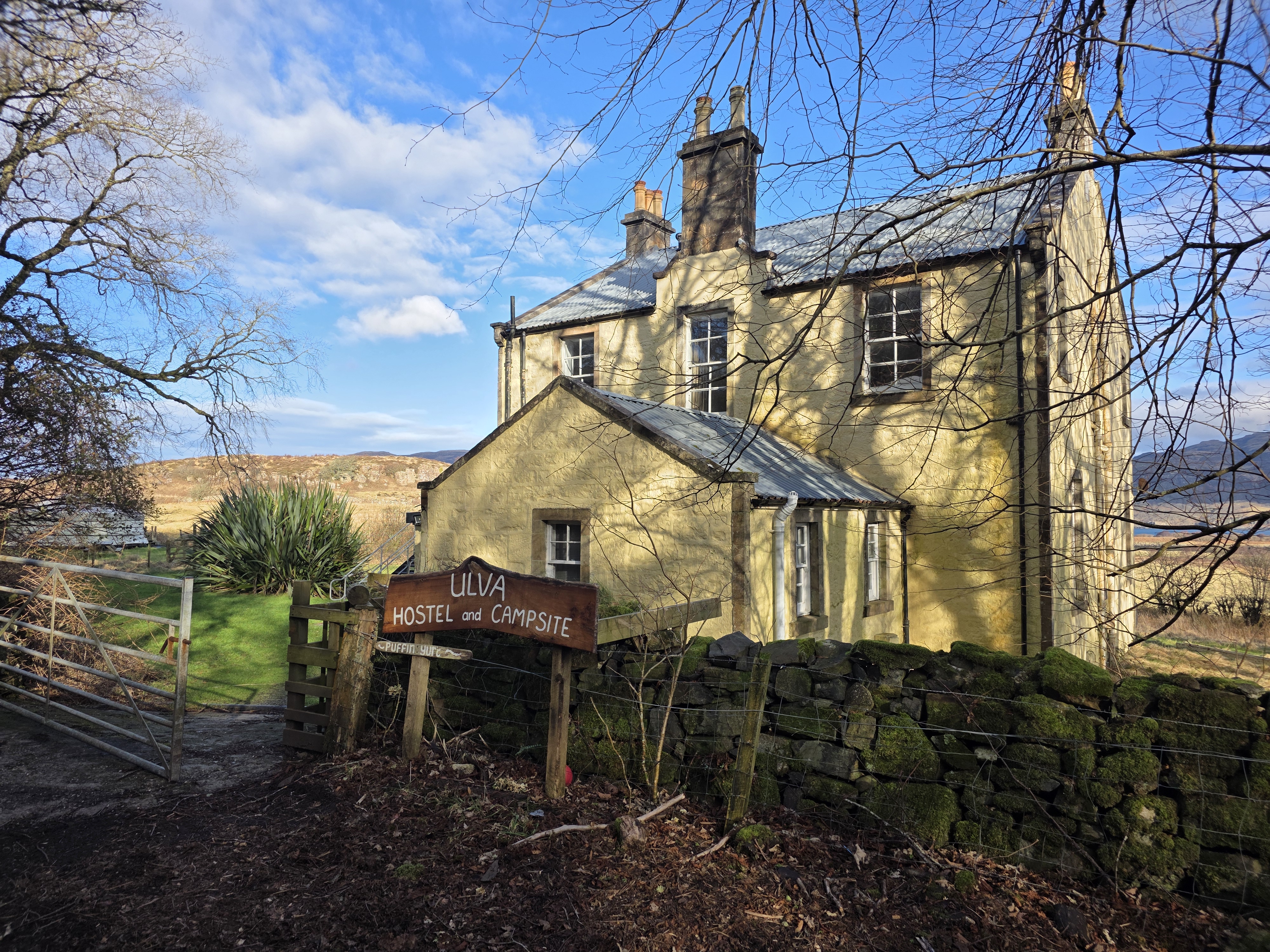
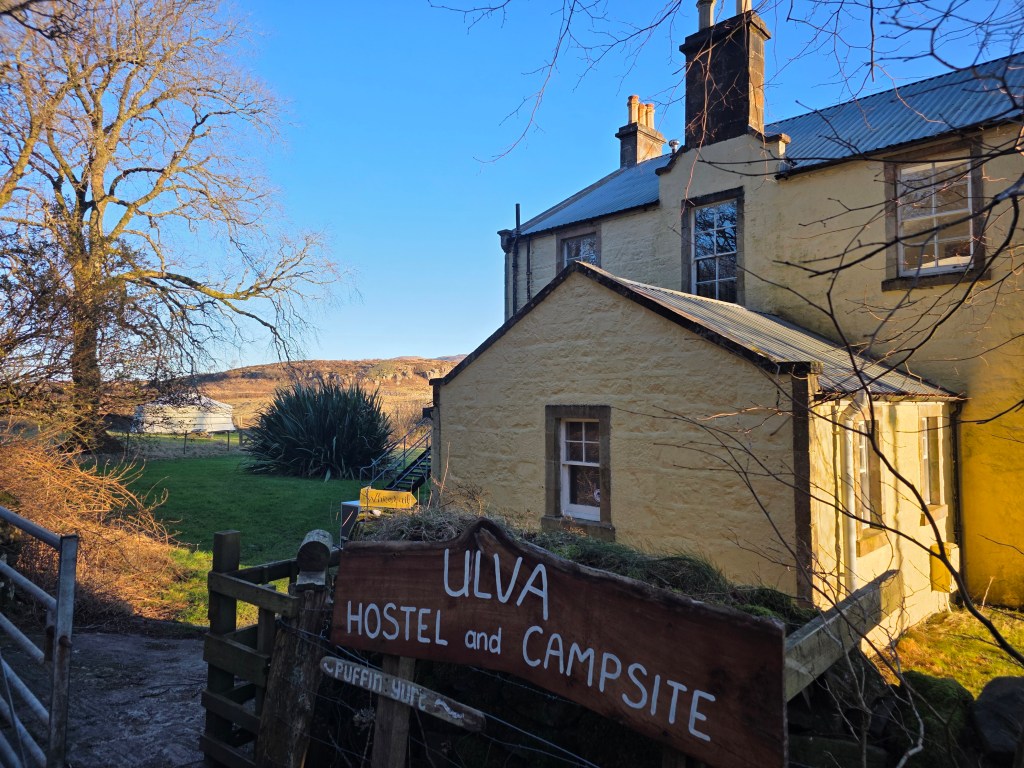
 Ulva Hostel
Leave a comment