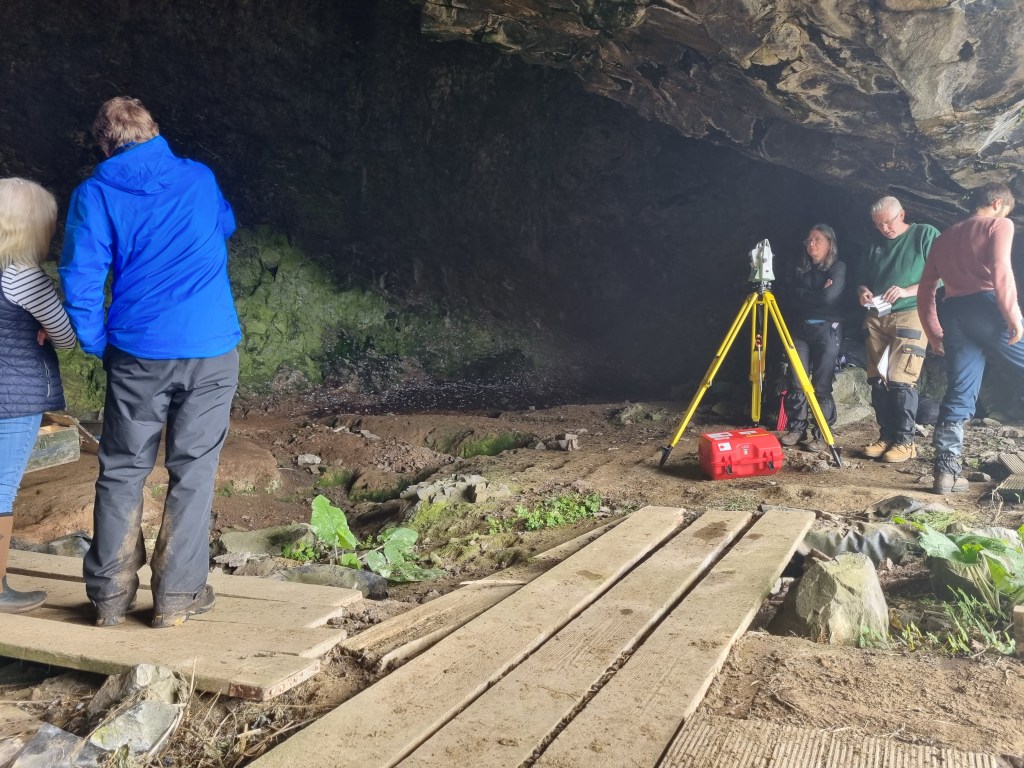
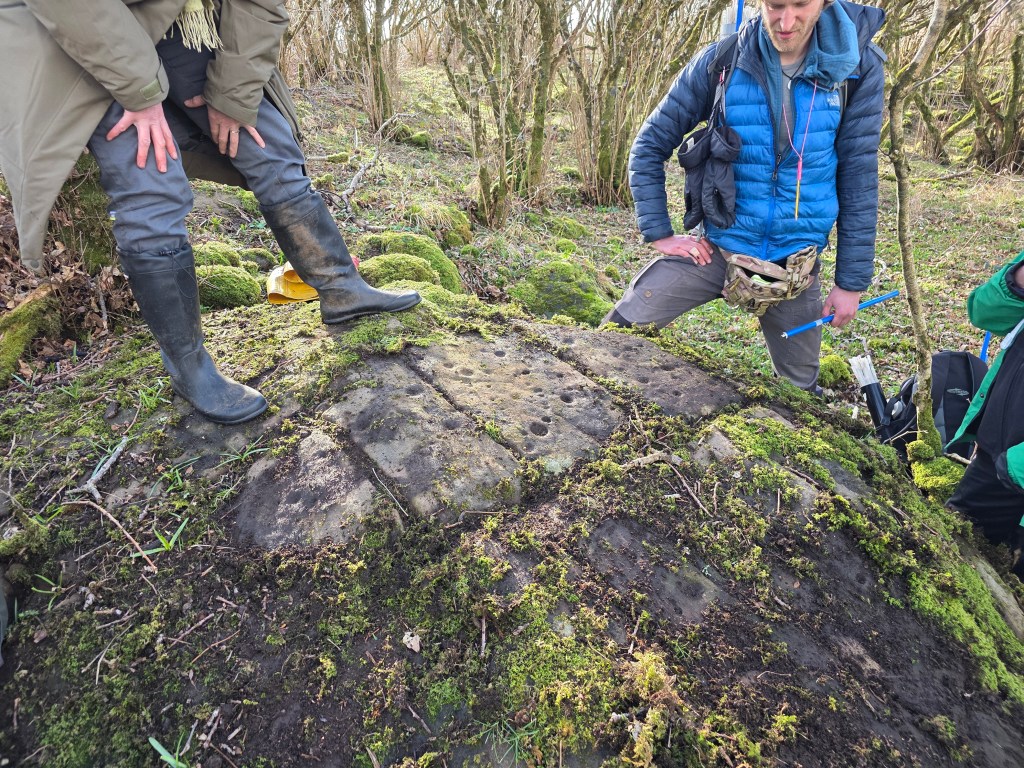
As some folk might know, when I’m not running the hostel on Ulva – or the many other jobs I do – I ‘do archaeology’. Just at the moment, ACFA – the Association of Certificated Field Archaeologists – have returned to Ulva, to carry on surveying around the in-bye area on the eastern side of Ulva and will be back in April this year to survey some of the archaeology on the challenging and remote western side of Ulva and on Gometra.
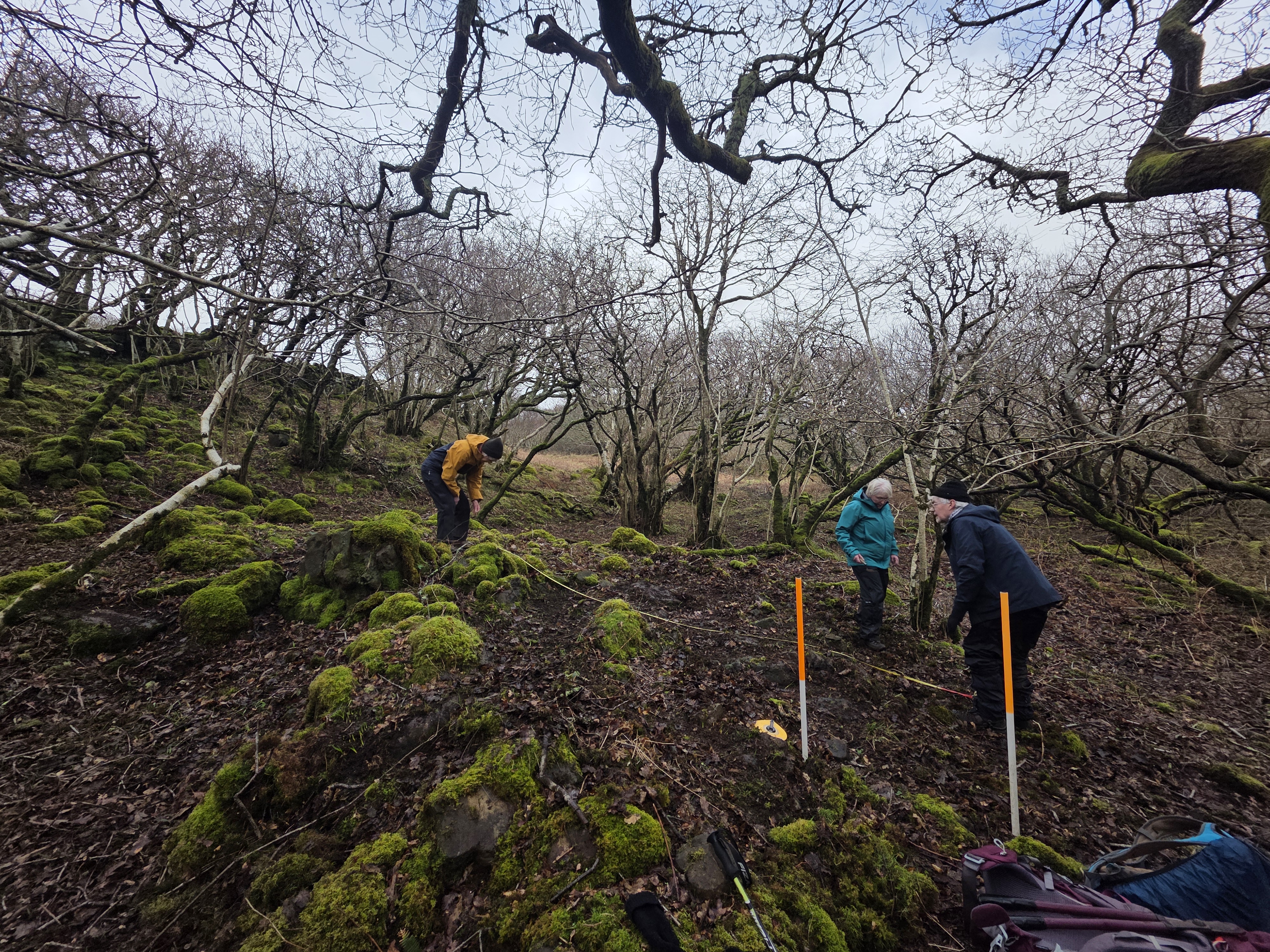
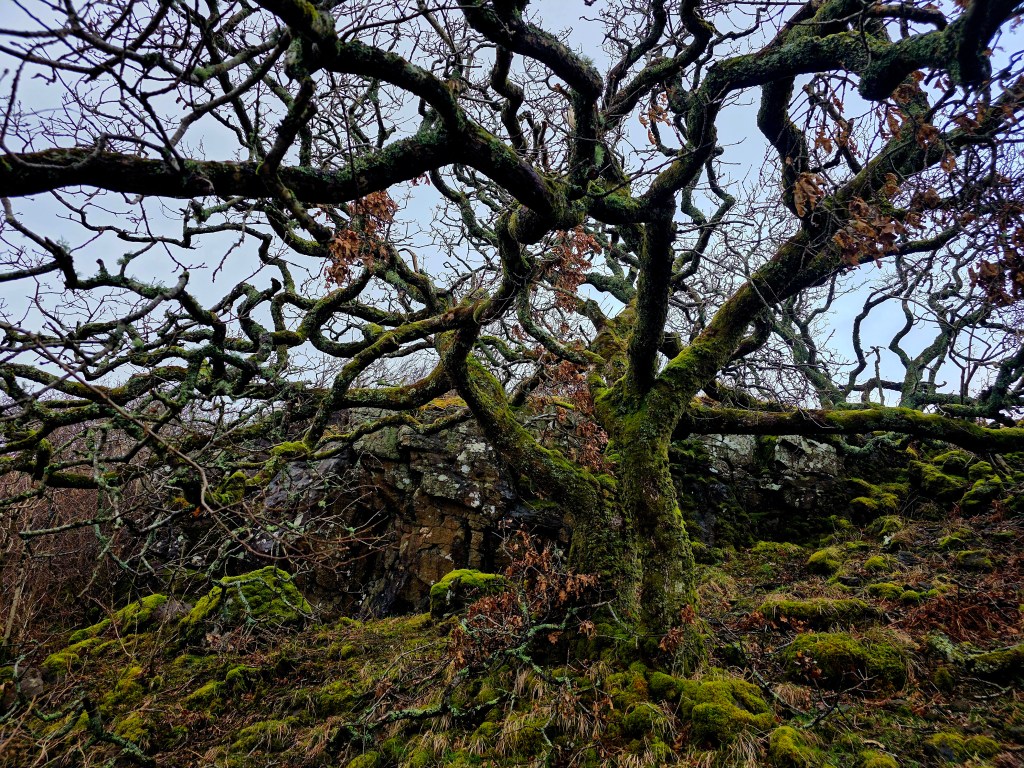
The reason for the tree picture is that, whilst ACFA were ‘bush-whacking’ their way through the undergrowth – supposedly Ulva is the hardest ground they’ve tried to survey over the decades – I tagged along to find 30 oak trees.
The reason for finding oak trees, is that in March, St Andrew’s University will hopefully be staying at Ulva hostel for a few days, to help on a ‘history of the woodlands’ on Ulva and to possibly find oak trees to ‘dendro’ – i.e. to collect tree-ring data.
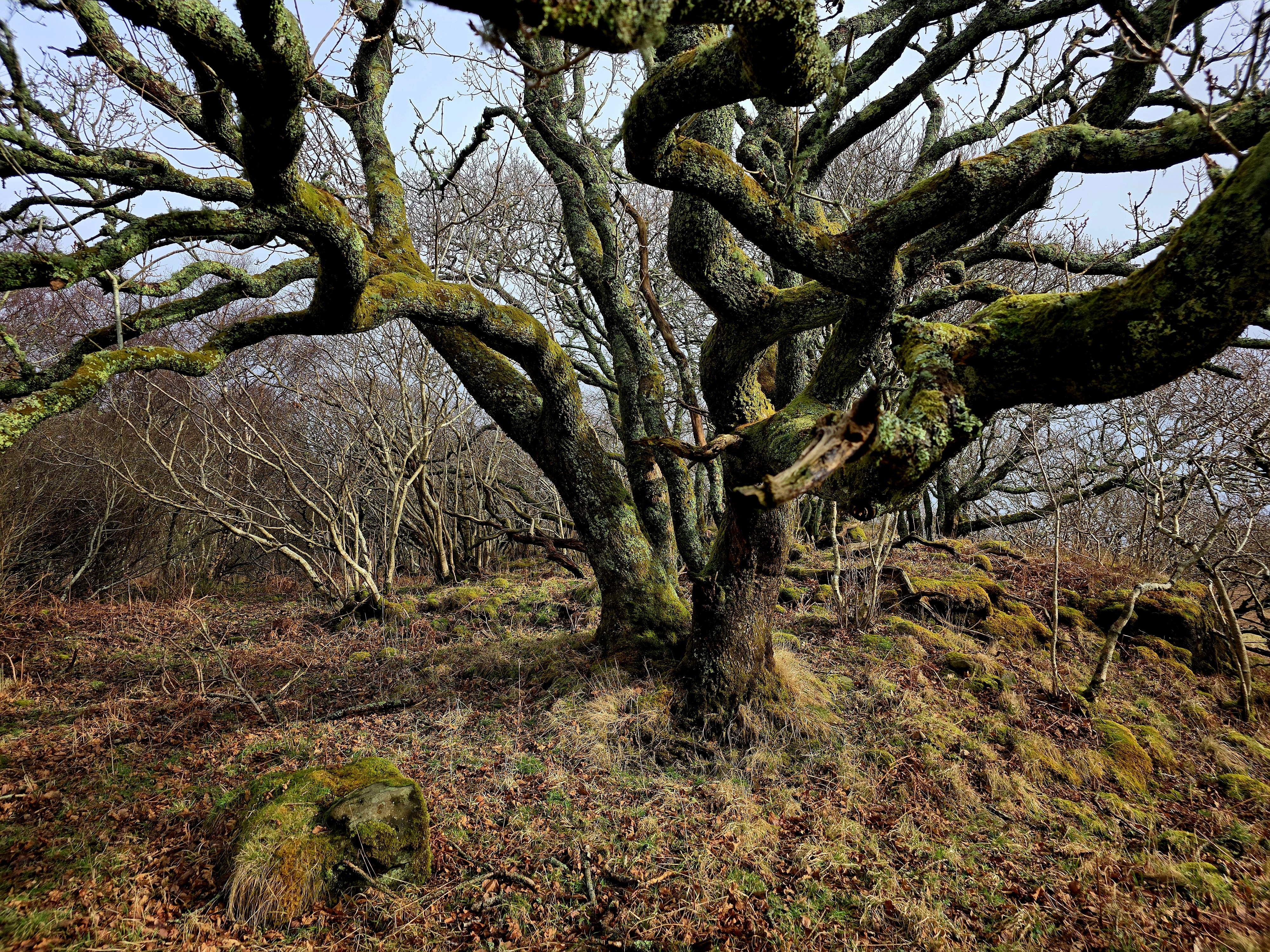
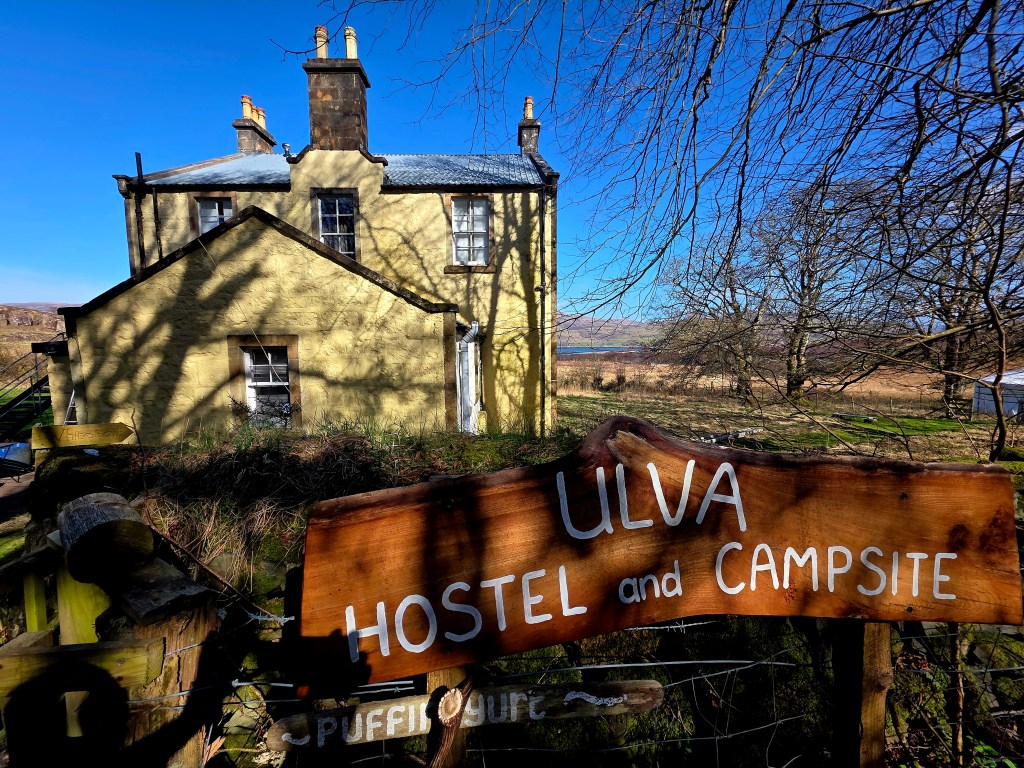
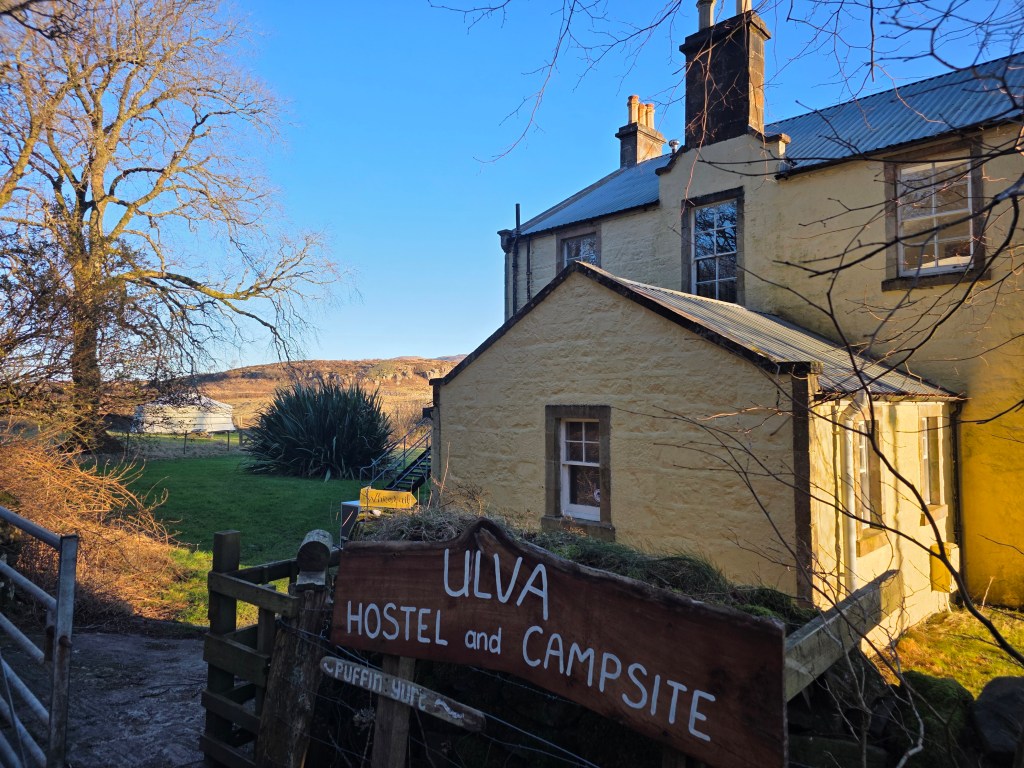
Interesting Facts about Ulva: Unusually for a Scottish west coast island, Ulva has an extensive mature broad leaf woodland stretching across the eastern side of the island and surrounds both Ulva House and Ulva Hostel. It has been believed that Staffa MacDonald – one of the most flamboyant and instrumental lairds of Ulva in the early 18th century and possibly his father-in-law Colin MacDonald of Lochboisdale who owned Ulva in the later 18th century – were responsible for the planting of much of this woodland. Around Ulva Hostel itself, there are very mature examples of Lime, Elm and Horse Chestnut trees that seem to suggest they were planted intentionally, perhaps when Ulva Hostel – it’s official name being Ardalum House – was built in the 1860’s.
After that, in April, Edinburgh University Archaeology Department – lead by Dr Catriona Pickard – will be returning again for another season of work on Ulva, finding more evidence for Mesolithic occupation will be also staying again at Ulva Hostel. This year there is the possibility of a new and exciting site on the eastern side of Ulva….if in a rather annoying location.
 Ulva Hostel
Leave a comment