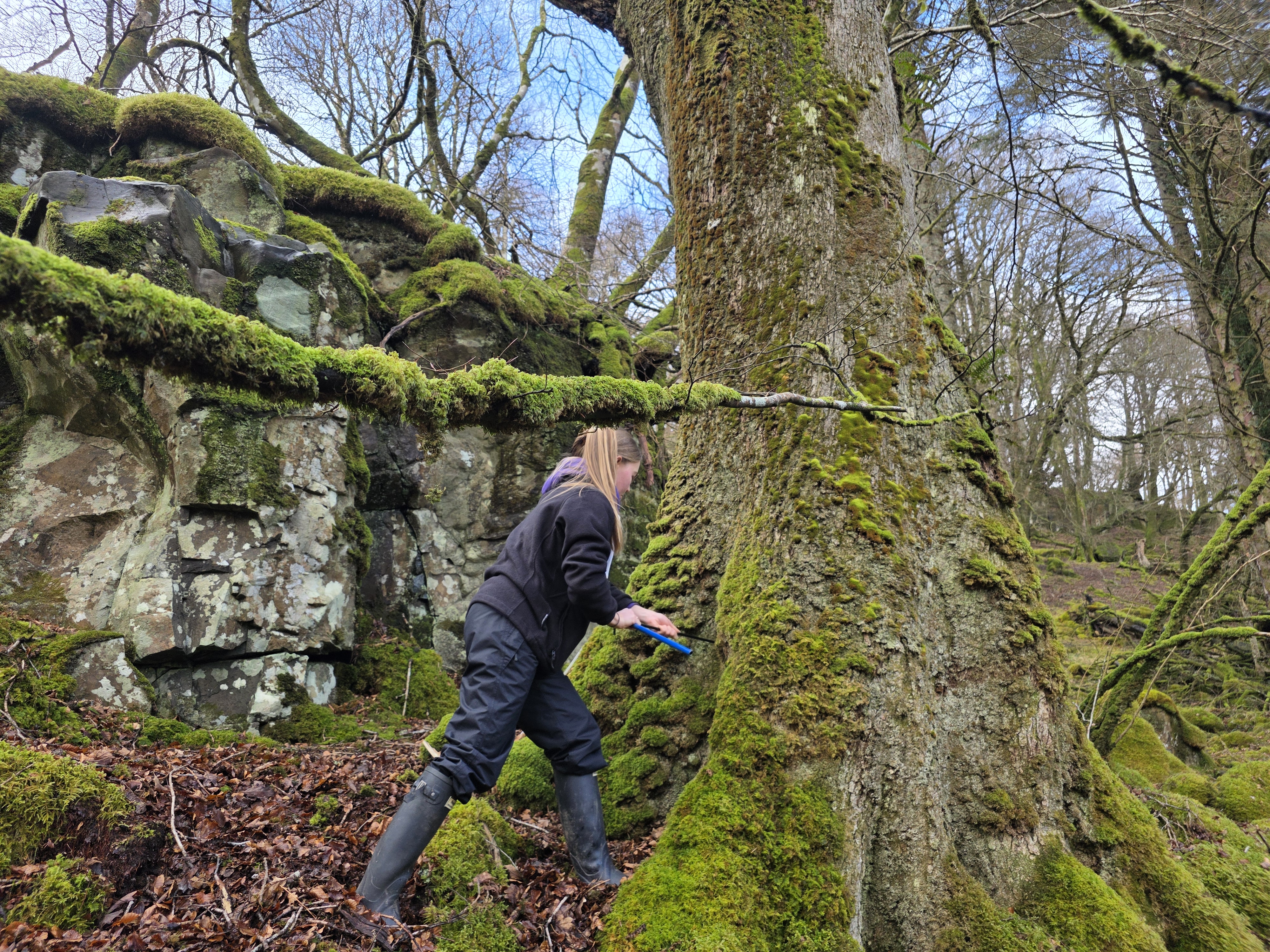
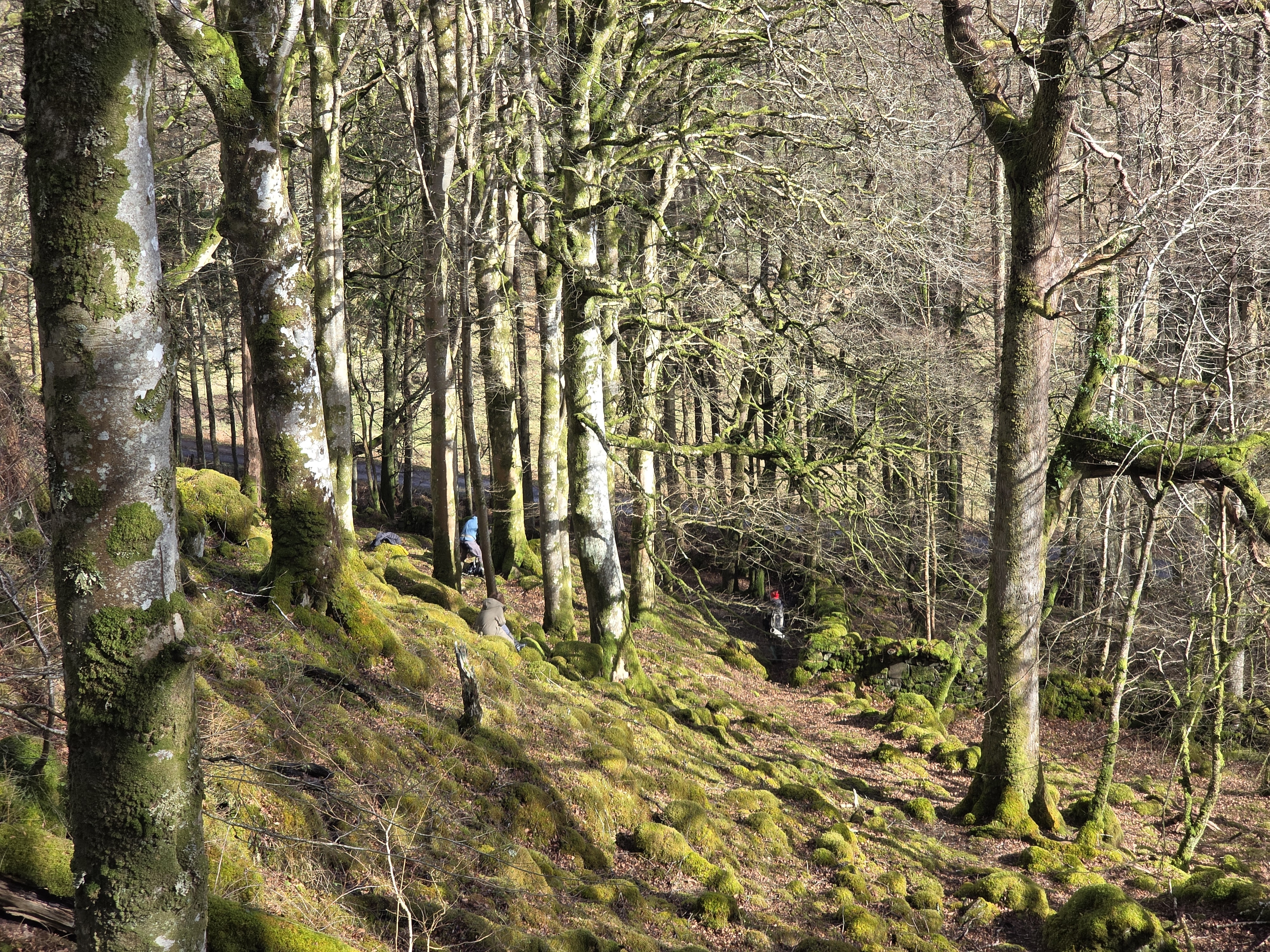
Last weekend, Ulva hosted five guests, three folk from St Andrew’s University from the School of Earth and Environmental Sciences, who are Dendrochronologists – otherwise known in the archaeological world as tree-ring scientists – and Gordon Gray Stephens from Native Woodlands Cooperative Scotland. All were on the Isle of Ulva to ‘age’ and study the mature broad leaf woodland that stretches from north to south along the eastern side of Ulva, along with looking at the patches of ‘historic’ woodland – mostly hazel and oak – that are marked on the old 1812 estate map.
Nothing much to do with Neolithic Rock art you would think.
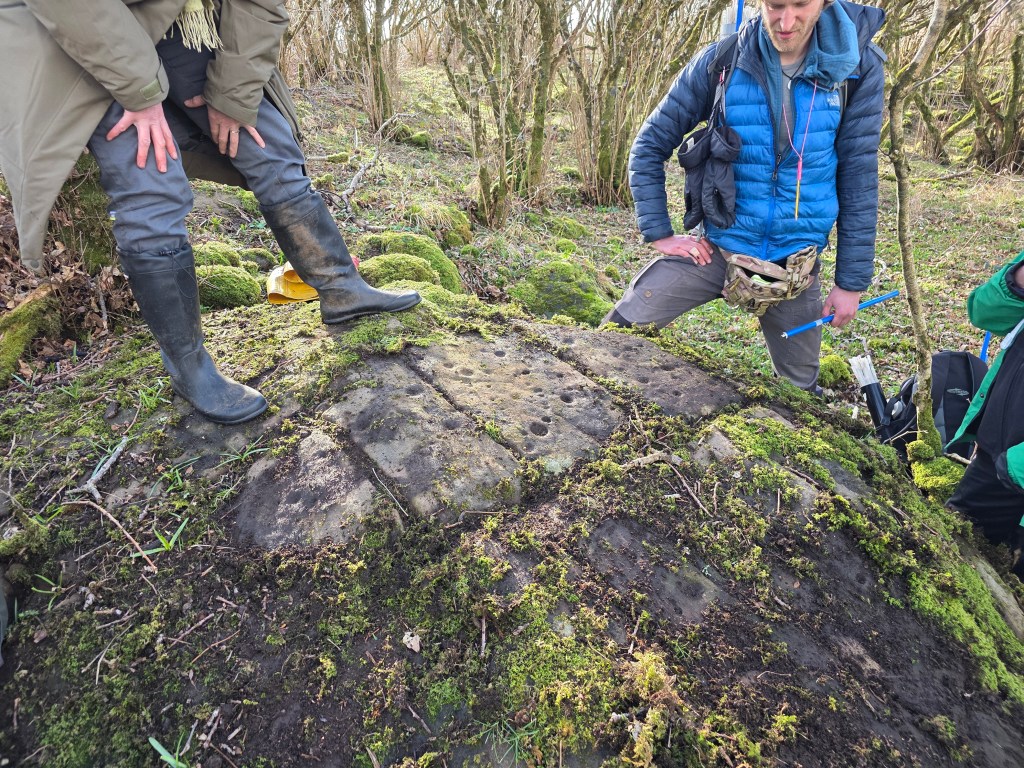
However, the fifth person in this group was Dr Sharon Webb (MBE) – the former director and now curator of Kilmartin Museum – who has spent over two decades looking at the wealth of Neolithic cup and ring decorations around Kilmartin Glen.
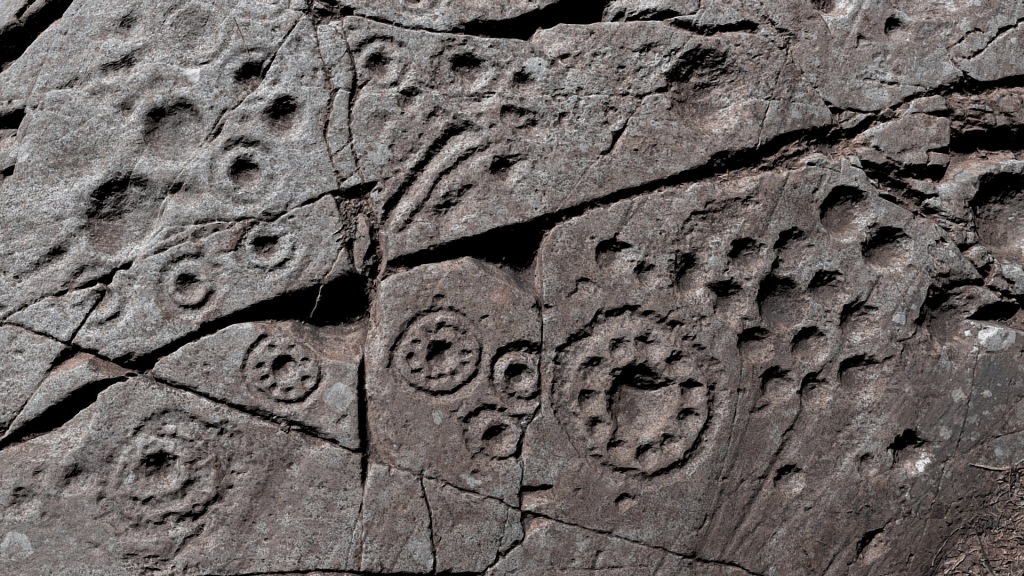
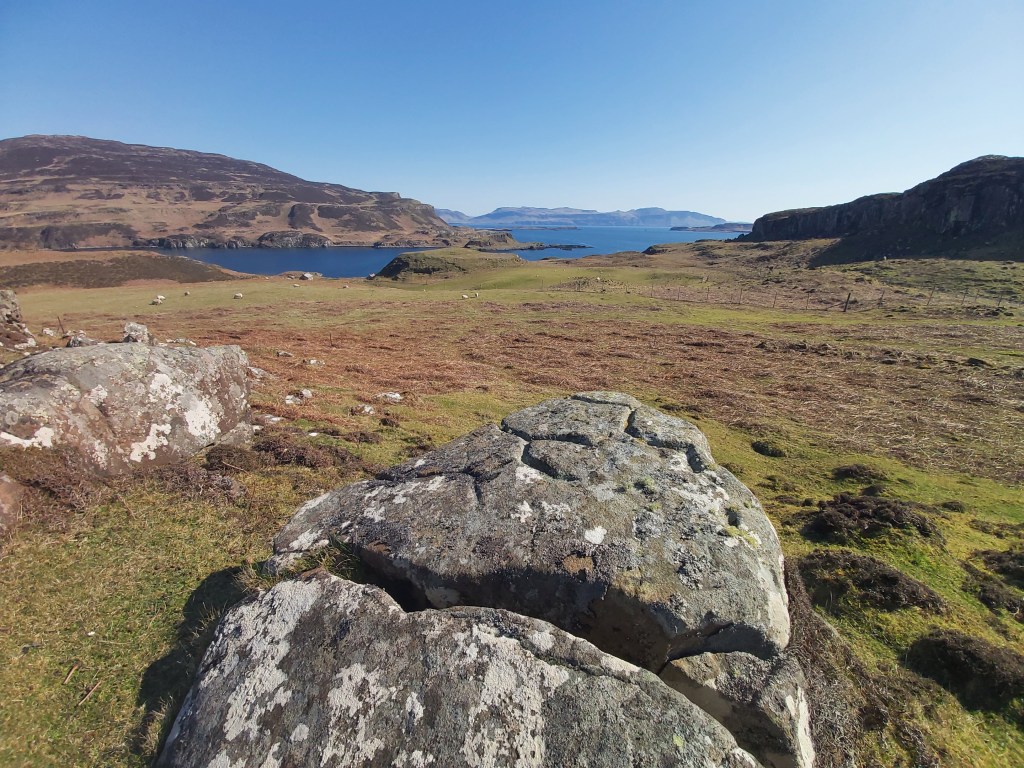
Currently the Isle of Mull and islands, only have a smallest hint of this form of Neolithic rock art – a cup mark making tradition that you find all the way up the west coast of Britain – and that happens to be on Ulva, where two small panels were recorded in 2009, but never confirmed.
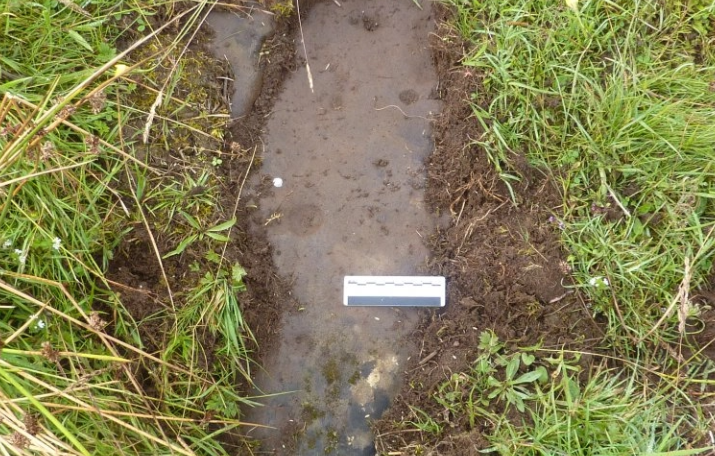
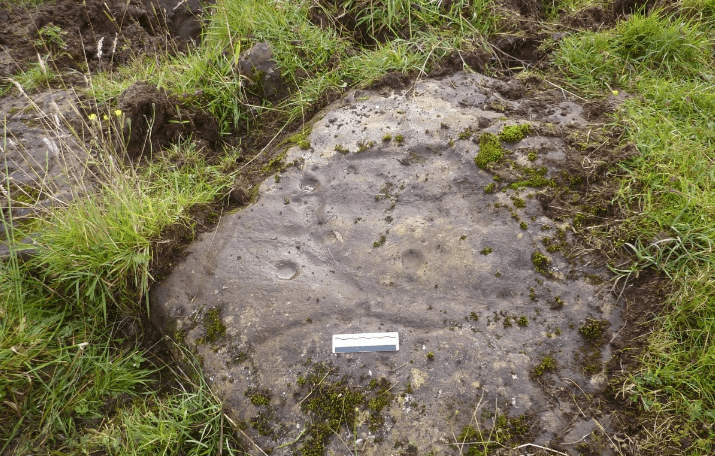
However, over the years of studying at various cup marks in the rocks, I had a strong suspicion that although many were natural – caused by gaseous pockets in the rock – some could possibly have been made by humans. The reason being the location of some of these cup-marks on obvious old paths across the landscape and the association with other features that were more obviously evidence of prehistoric activity/Neolithic activity.
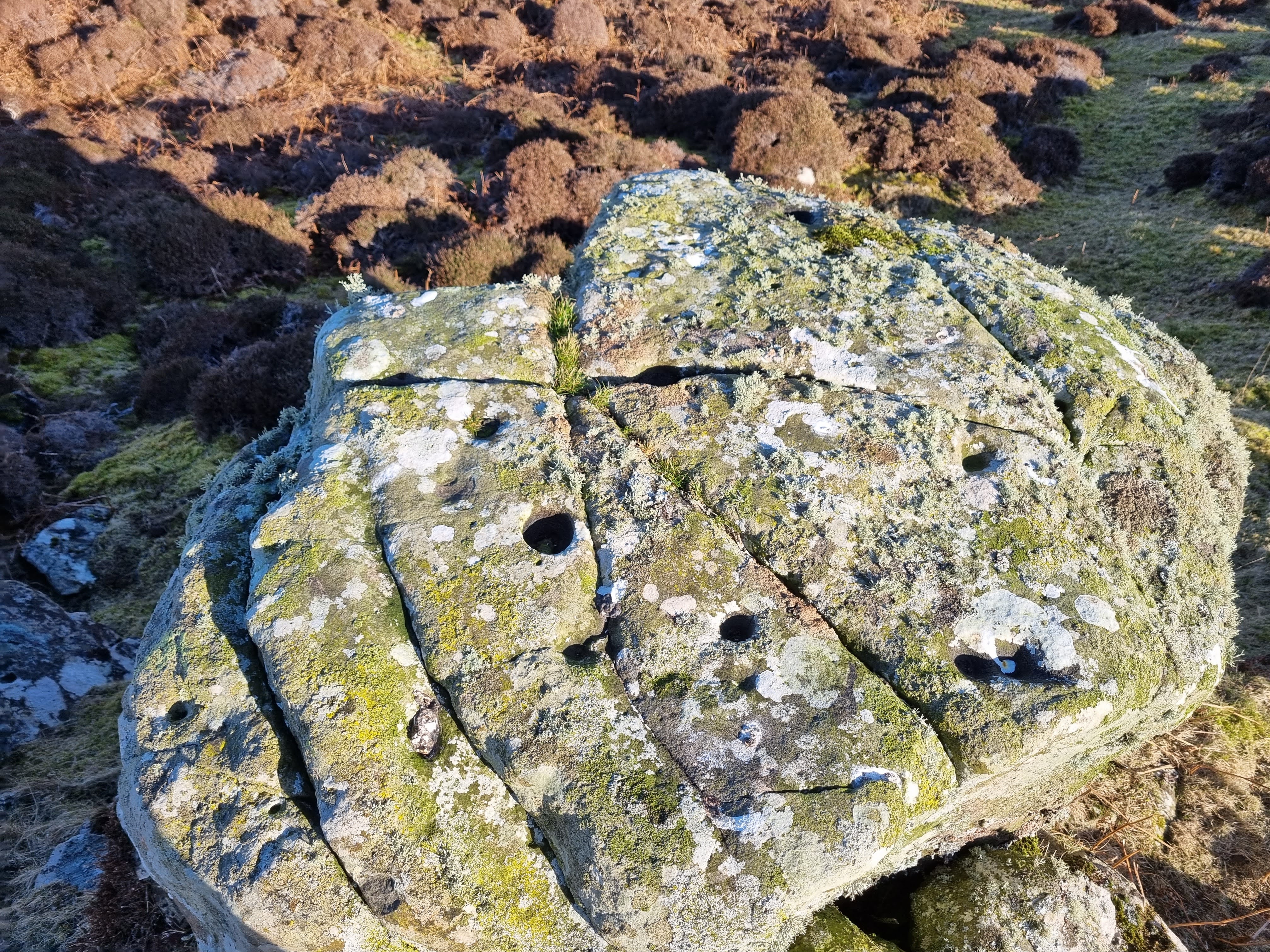
My theory therefore, was that on Ulva and possibly in other areas where natural cup-marks are present in the rock, humans could have been copying the marks. Probably they were as intrigued by the ‘man-made’ look of these marks as we are, and ascribed them to ‘gods’ or to ‘ancestors’. Therefore we might have natural and human-made marks existing on the same piece or rock – making identification very hard.
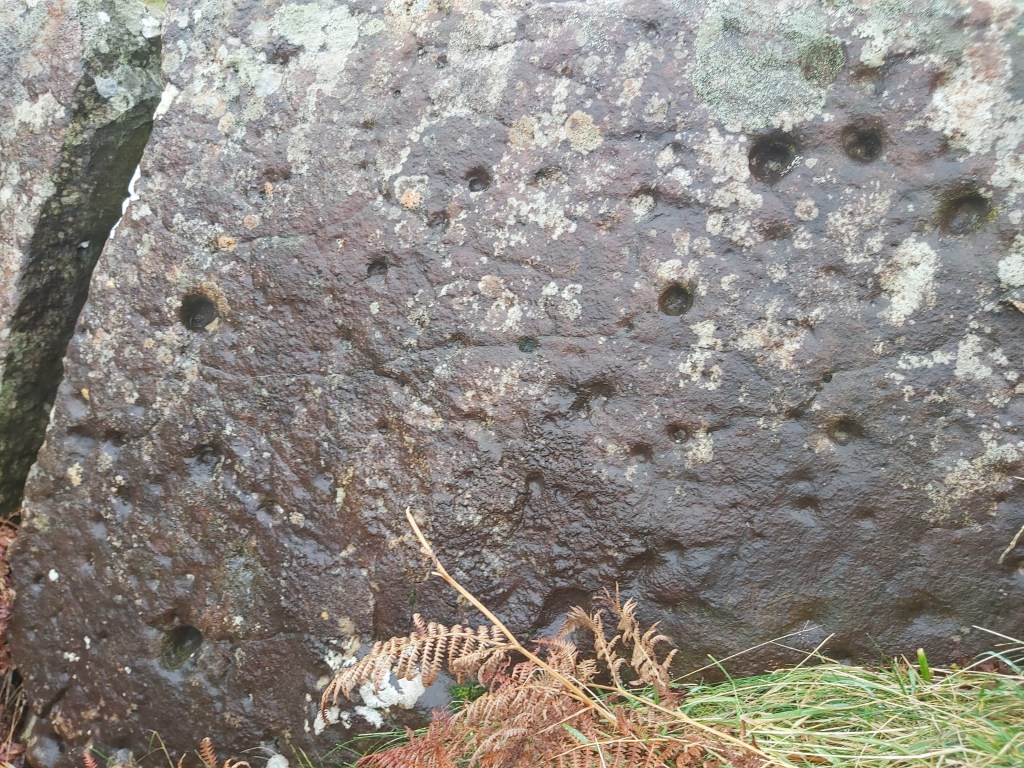
Dr Aaron Watson had also suggested the same during his talk last year on his work at Kilmartin Glen, but until someone actually came and had a look, I just put the ‘cup-marks’ on one side and concentrated on other evidence of Neolithic archaeology on the islands.
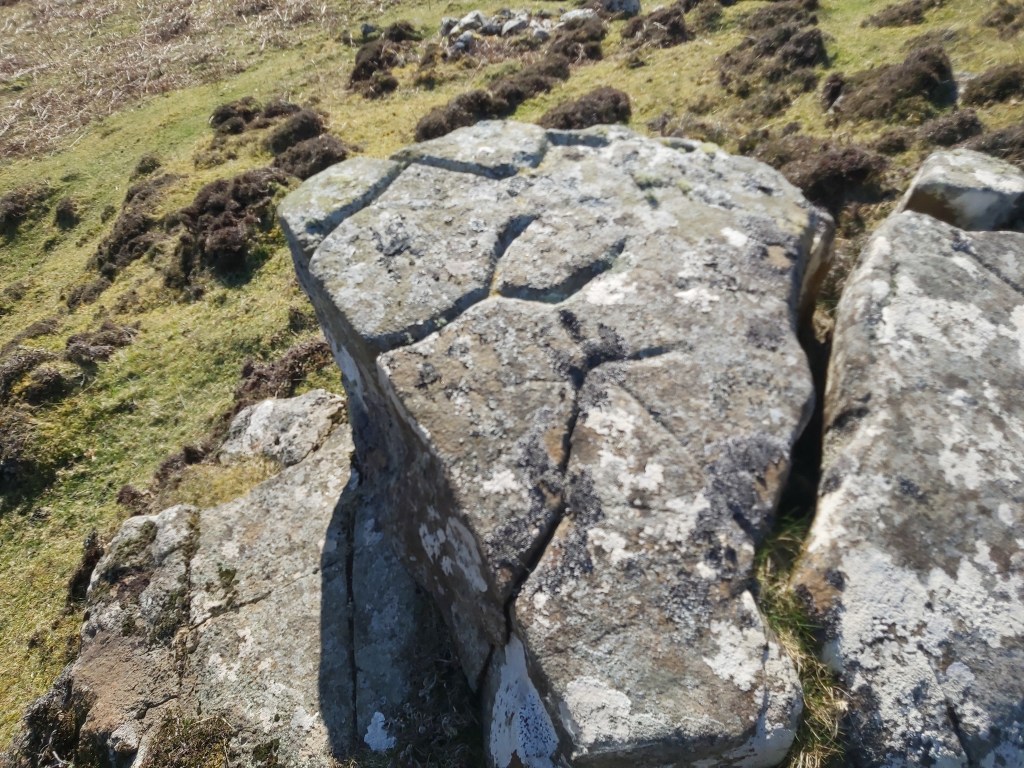
And then Dr Sharon Webb turns up and within two days, found numerous possible examples with a ‘very probable, if not ‘actual’ major panel found on Ulva, hidden away amongst an area of old looking woodland, in an area of Ulva I’d had never been to.
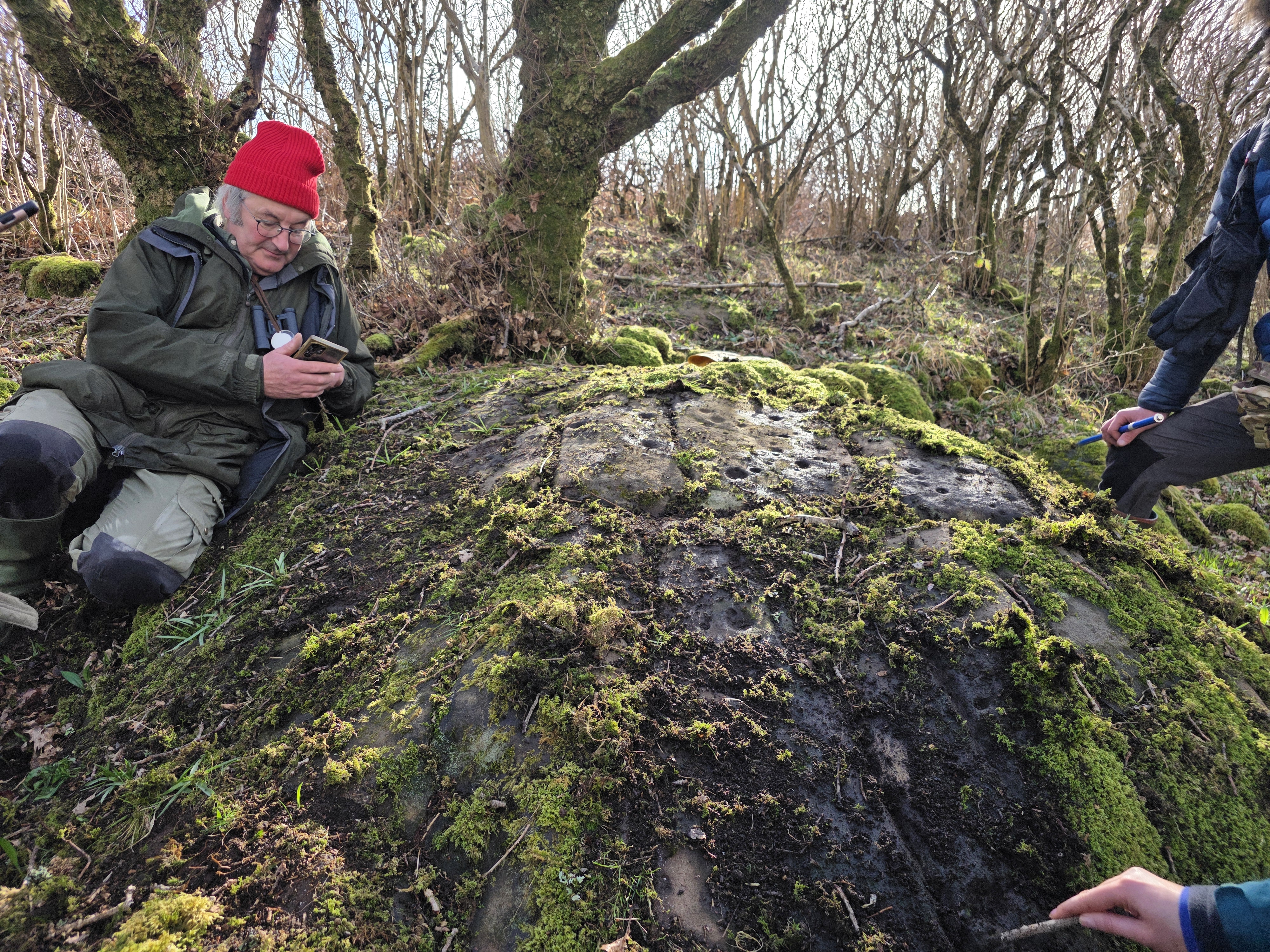
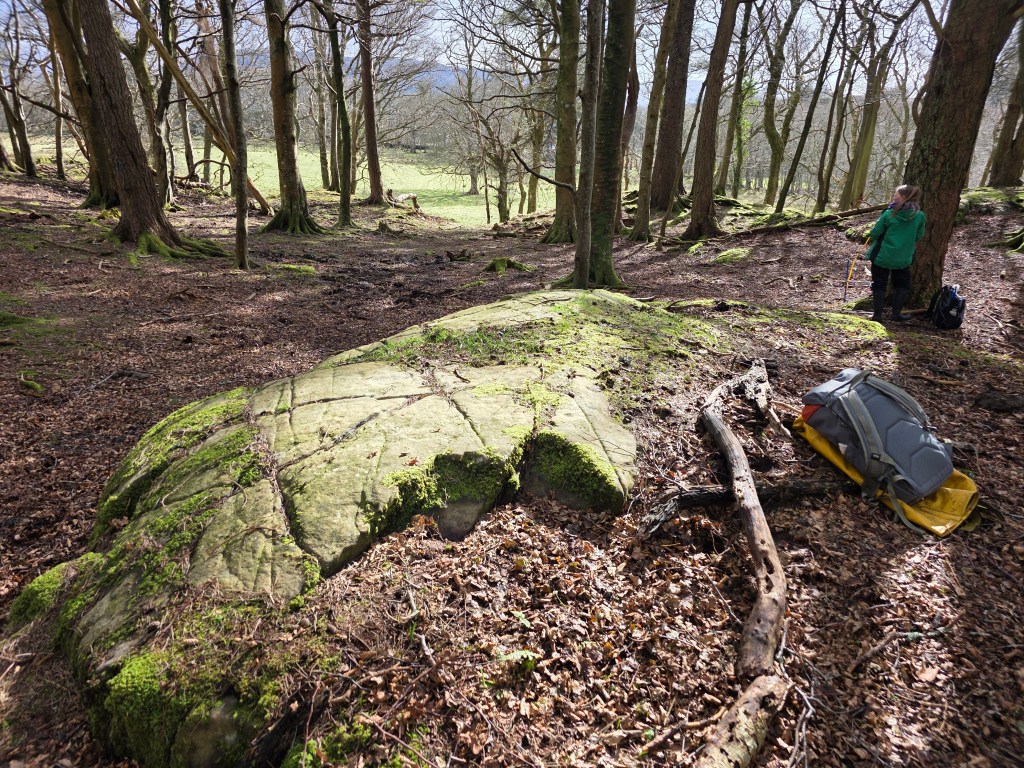
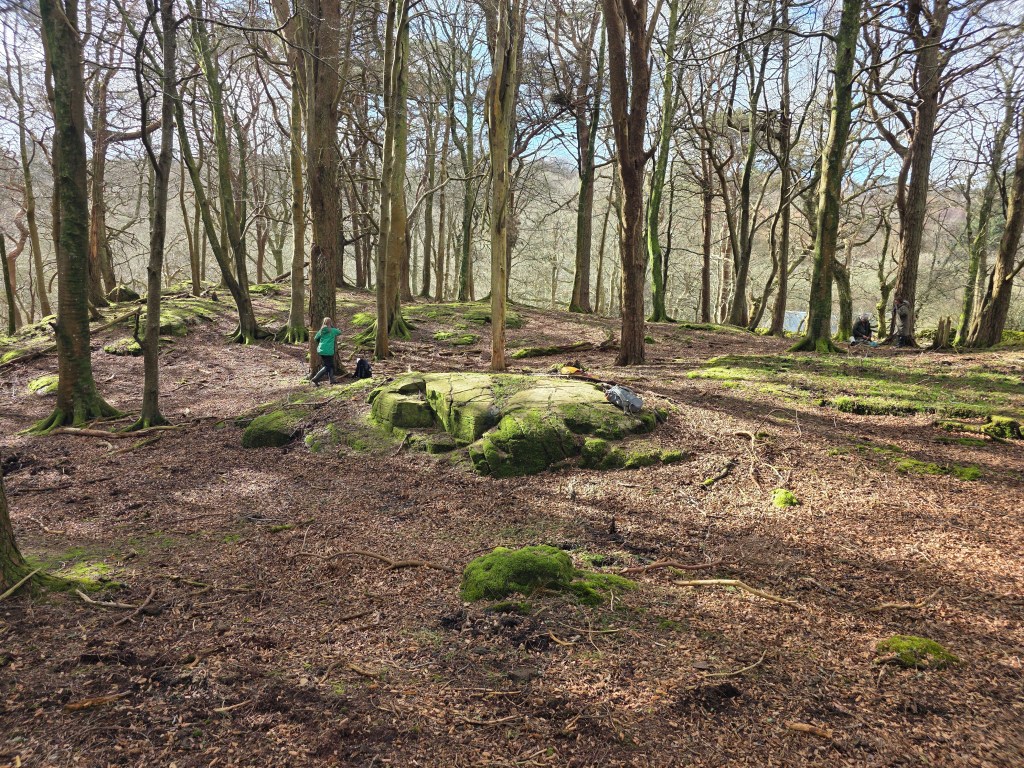
Like everything, we need to be careful, and record these features and then hopefully we can confirm absolutely that they are rock art from Neolithic farmers who were living on these islands 5000 years ago. A delicate process, as it seems that our Neolithic ancestors understood the natural of quartz and that if you crushed it, it glows green, and that they filled the natural cracks in these boulders – which seemed to have attracted them in the first place – with the crushed quartz.
The Team – Isle of Ulva Forest Project
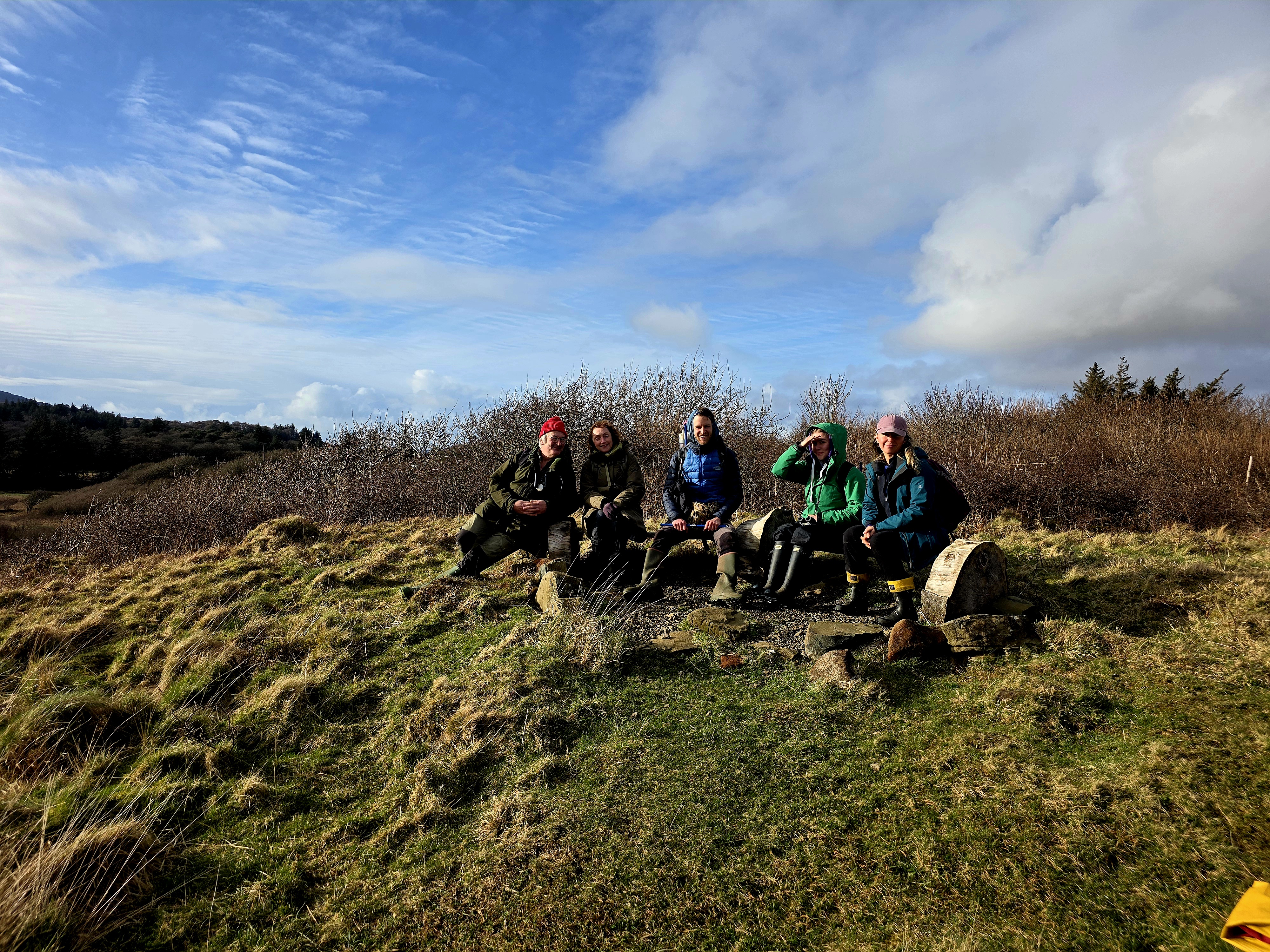
Lastly and most praise goes to members of Duthchas Ulbha who helped set up the project and particularly Dr Amiria Salmond who developed the project from an idea by Jan Dunlop – Countryside Ranger Manager for Mull.
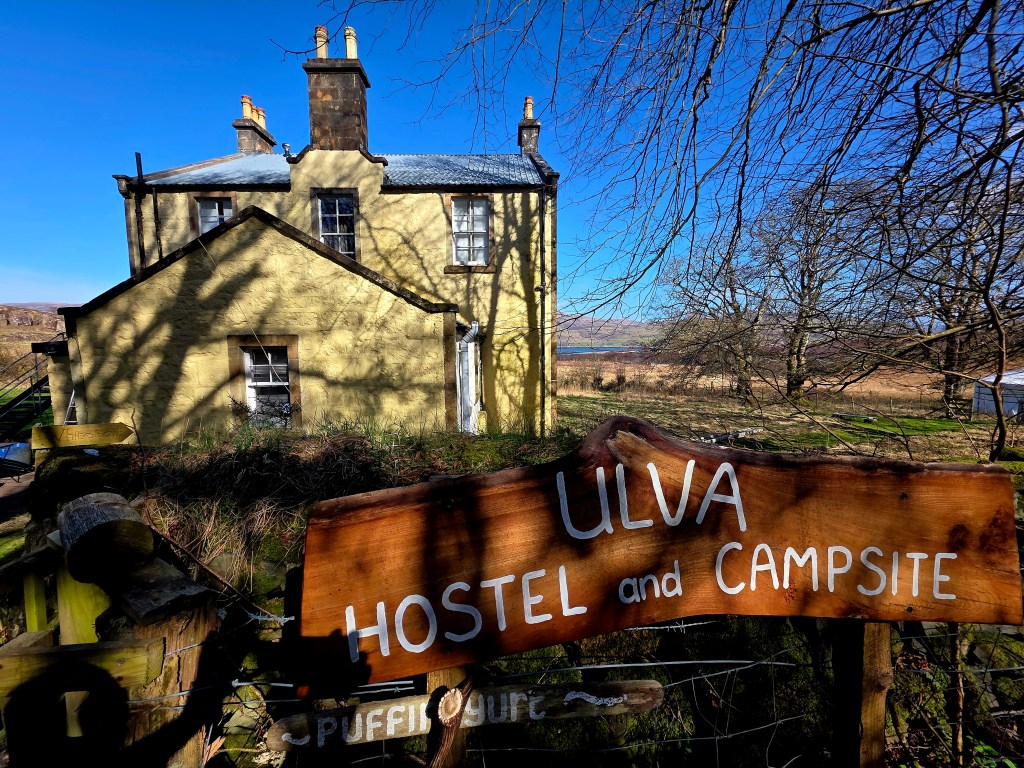
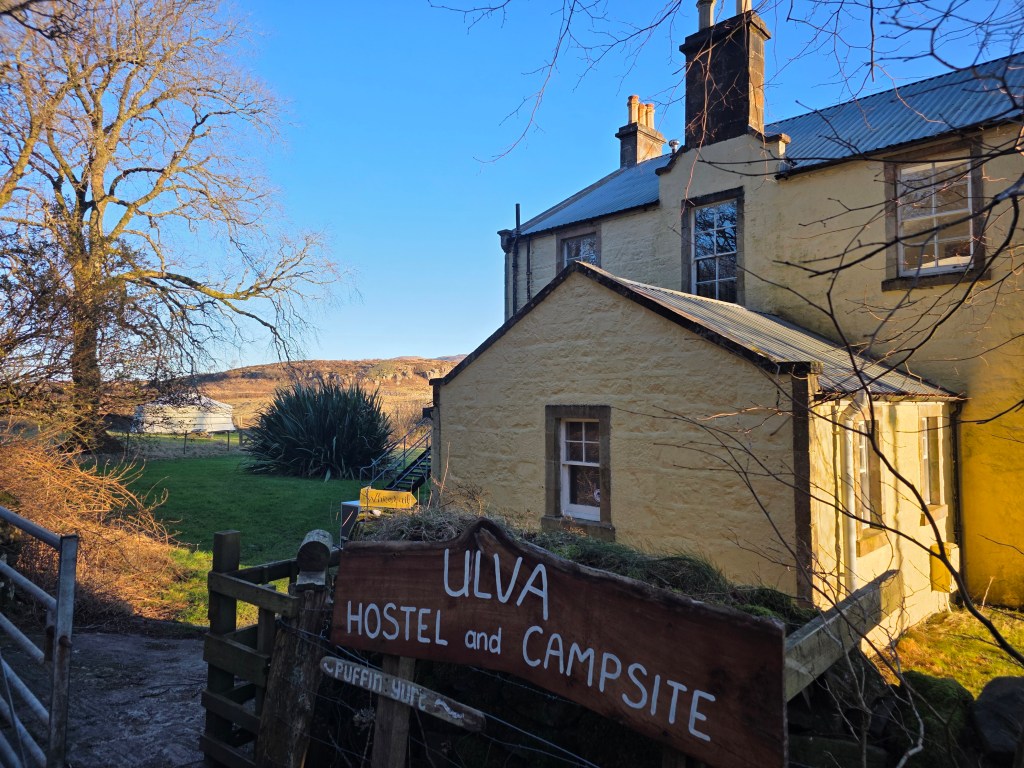
 Ulva Hostel
Leave a comment